Skunk Works
March 26, 2025
I just put together a new set of QR Cards for the Northwest Event Show, held at the Seattle Convention Center Arch building.
The idea is to make it easy for anyone to share top recommendations in the neighborhood.
But not by pointing you to Google. Or sending you to a website. Or making you download the conference app.
My approach: You scan a card. That's all it takes.
No log-in. No searching.
Within seconds, you get curated recommendations from people who work around here.
The entire process takes just seconds, leaving more time for conversations.
And that's what makes events special.
Time for a break?
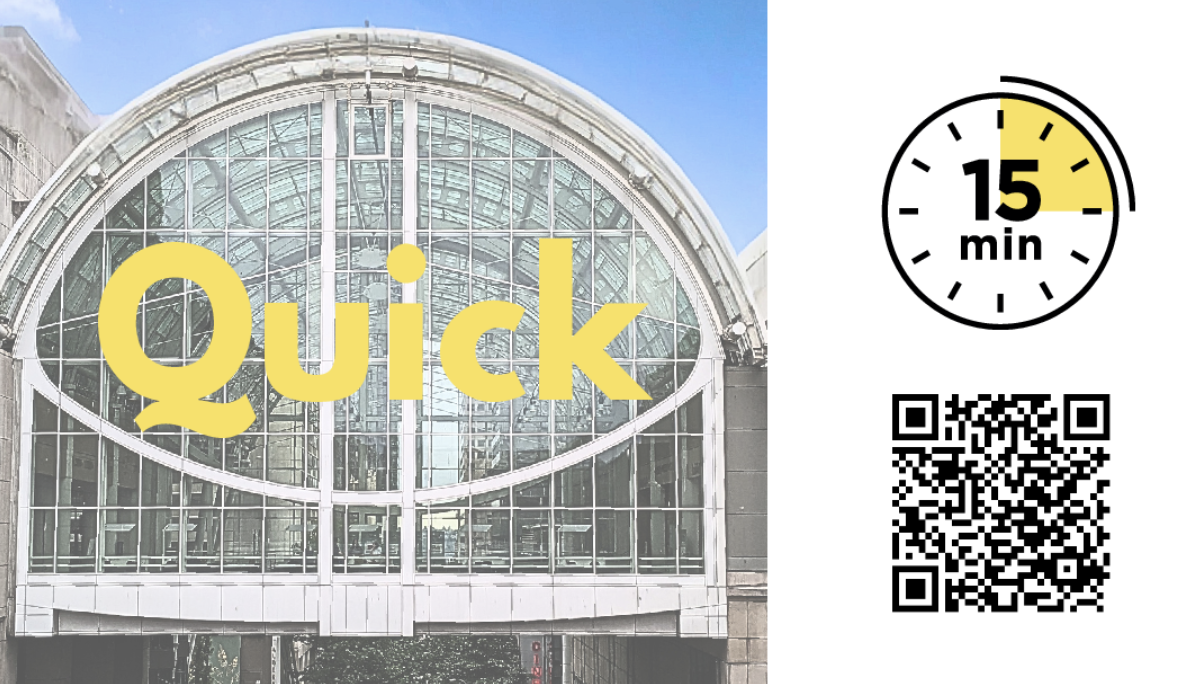
"Just point me somewhere super close."
The Quick card: https://qrcard.conventioncityseattle.com/arch?inv=001178&key=1224573376
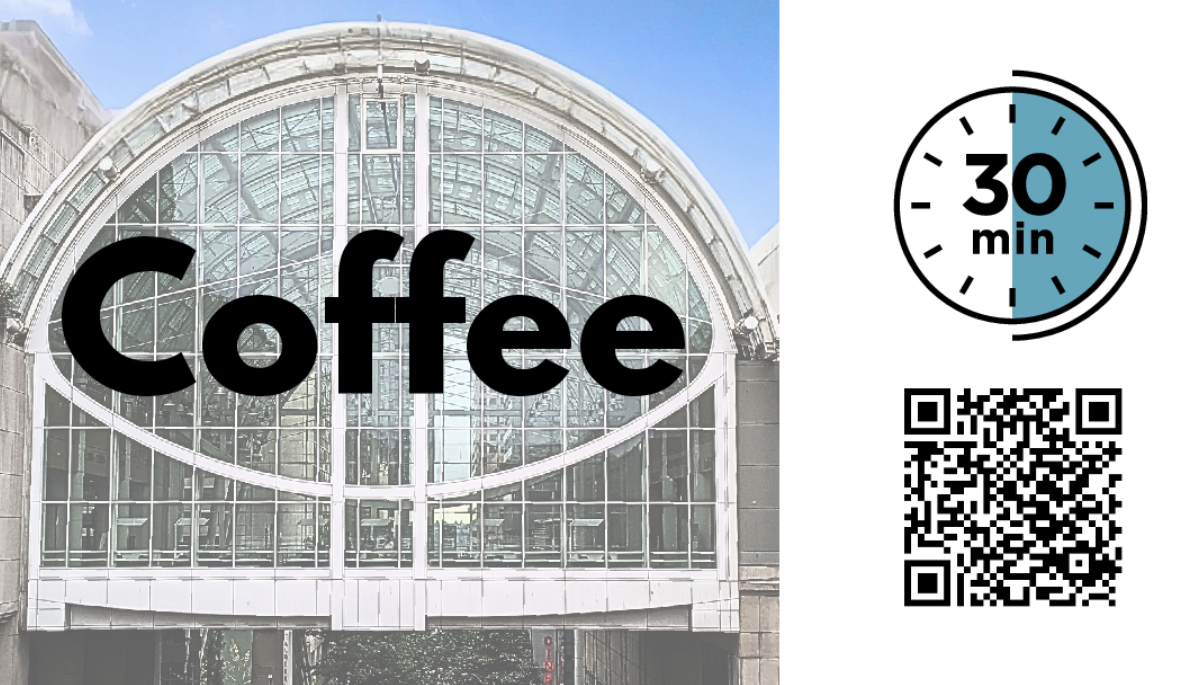
Where can I get a decent cup of coffee around here?
The Coffee card: https://qrcard.conventioncityseattle.com/arch?inv=001185&key=1311979884
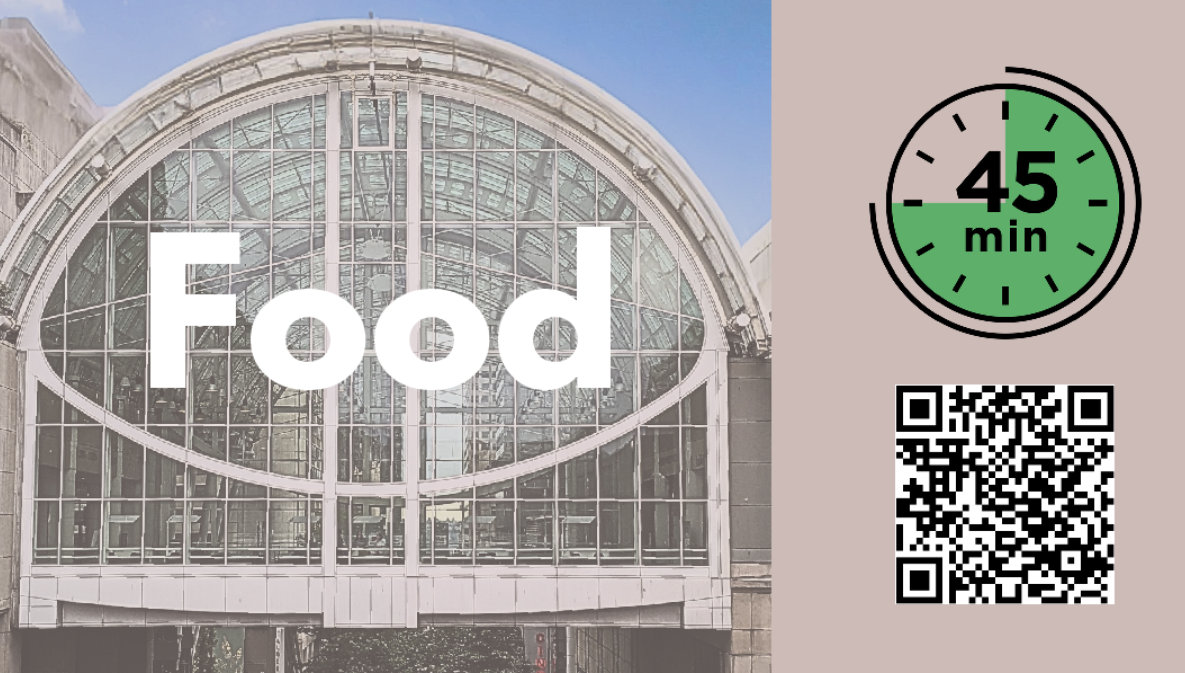
"Where can I get a bite to eat around here?"
The Food card: https://qrcard.conventioncityseattle.com/arch?inv=001191&key=1368588915
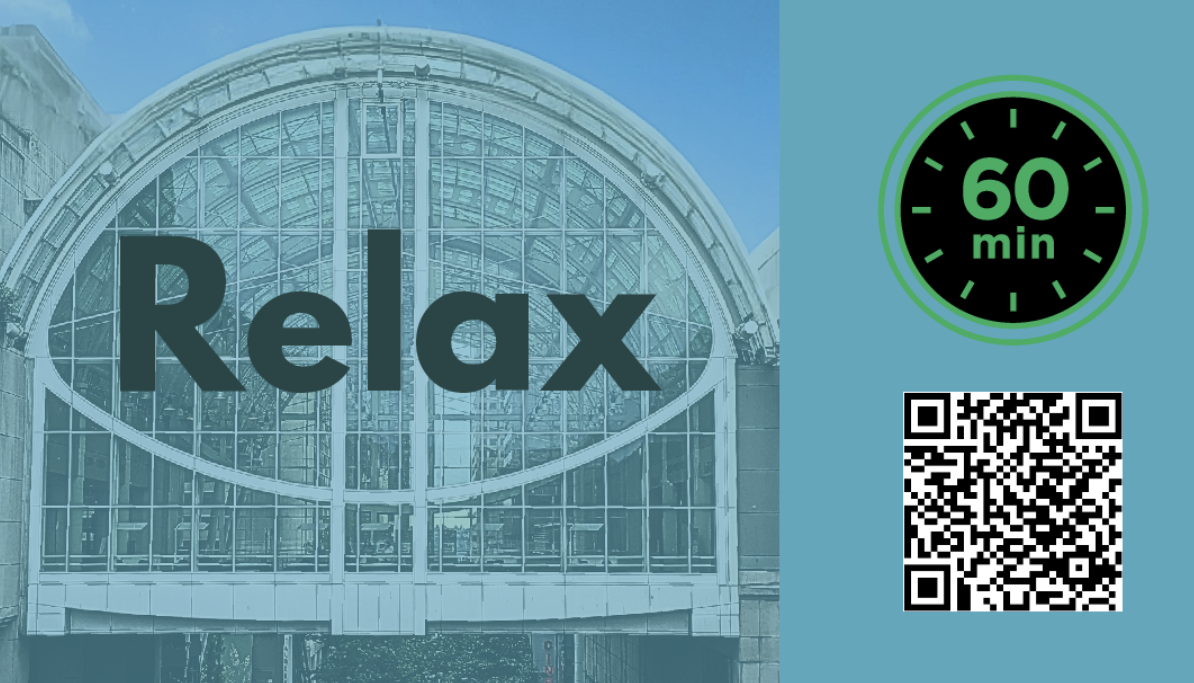
"Take a long break, you need it."
The Relax card: https://qrcard.conventioncityseattle.com/arch?inv=001184&key=1069101580
The QR Card Shuffle
Last year right before the 2023 Northwest Event Show, I had the idea to turn my Power Platform "PowerUp" class project of a shoe store into a tourism guide. Then, I figured out how to link QR codes to collections of database records and built a business card generator that soon became a QR Card generator.
With that, I came up with a vision for how QR Cards can transform Guest Services, presented my story at the Power Platform Community Conference (where I won a prize for storytelling); and built a proof-of-concept for Destination Marketing Organizations.
And all the while, I kept learning parts of the technology stack, including Power Platform Pipelines, pac cli, Azure DevOps, ChatGPT, and Test-Driven Development. I built Azure function apps in Python and deployed Python frameworks like Django and Flask.
From all of that, I've accelerated development using a combination of low-code Power Platform for rapid data modeling and Copilot-powered VS Code development for maximum flexibility. It's an exciting approach for building enterprise-ready applications with agility and confidence.
It's time to deal the cards.